
With increasingly stringent emission regulations worldwide, selecting a high-quality three-way catalytic converter (TWC) has become a critical task for overseas automotive parts buyers, repair shops, and vehicle manufacturers. A well-chosen TWC not only ensures compliance with local environmental standards but also maintains optimal engine performance and reduces long-term maintenance costs. This guide will break down the core factors to consider when purchasing a TWC, helping you make informed decisions in the complex global market.
1. Prioritize Compliance with Local Certification Standards
The first and foremost criterion for selecting a TWC is ensuring it meets the emission certification requirements of your target market. Different regions have distinct regulatory frameworks, and non-compliant products may face customs detention, fines, or even market bans. Key certifications to focus on include:
- EPA Certification (U.S.): Products sold in the U.S. must pass EPA certification, which strictly tests emission reduction efficiency and durability. Only certified TWCs can legally enter the U.S. market and be sold on platforms like eBay and Amazon .
- Euro Standards (Europe): European markets require compliance with Euro 6 or higher standards. When selecting, confirm that the product’s test reports include data on CO, HC, and NOx conversion rates that meet these standards .
- Local Certifications in Other Regions: For markets like Iran, Southeast Asia, and the Middle East, understand the local mandatory certification requirements. For example, TWCs supplied to Iranian automakers such as Khodro Group and Saipa must meet specific local emission standards .
Additionally, check if the supplier has obtained international quality management system certifications such as ISO9001 and IATF16949, which reflect the manufacturer’s production process control capabilities .
2. Focus on Core Performance Indicators
The performance of a TWC is determined by several key technical parameters. When evaluating products, request detailed test reports from suppliers to verify the following indicators:
- Light-Off Temperature: This is the minimum temperature at which the TWC starts to function effectively. Lower light-off temperatures mean faster emission reduction during cold starts. High-quality TWCs typically have light-off temperatures of ≤210℃ for CO, ≤230℃ for HC, and ≤250℃ for NOx .
- Conversion Efficiency: The core function of a TWC is to convert harmful gases. Look for products with conversion rates of ≥99% for CO, ≥97% for HC, and ≥90% for NOx. These are benchmarks for high-performance TWCs .
- Durability and Coating Stability: Long-term use stability is crucial for reducing replacement frequency. Check the coating loss rate (ideally ≤1.1%) and durability data (e.g., stable performance after 25,000 miles of use). High-quality catalysts use advanced coating technology that can withstand high temperatures of 1100℃ for 100 hours with minimal performance degradation .
3. Select the Right Catalyst Substrate and Material
The substrate and catalyst materials directly affect the TWC’s performance and service life. There are two main types of substrates, each with distinct advantages:
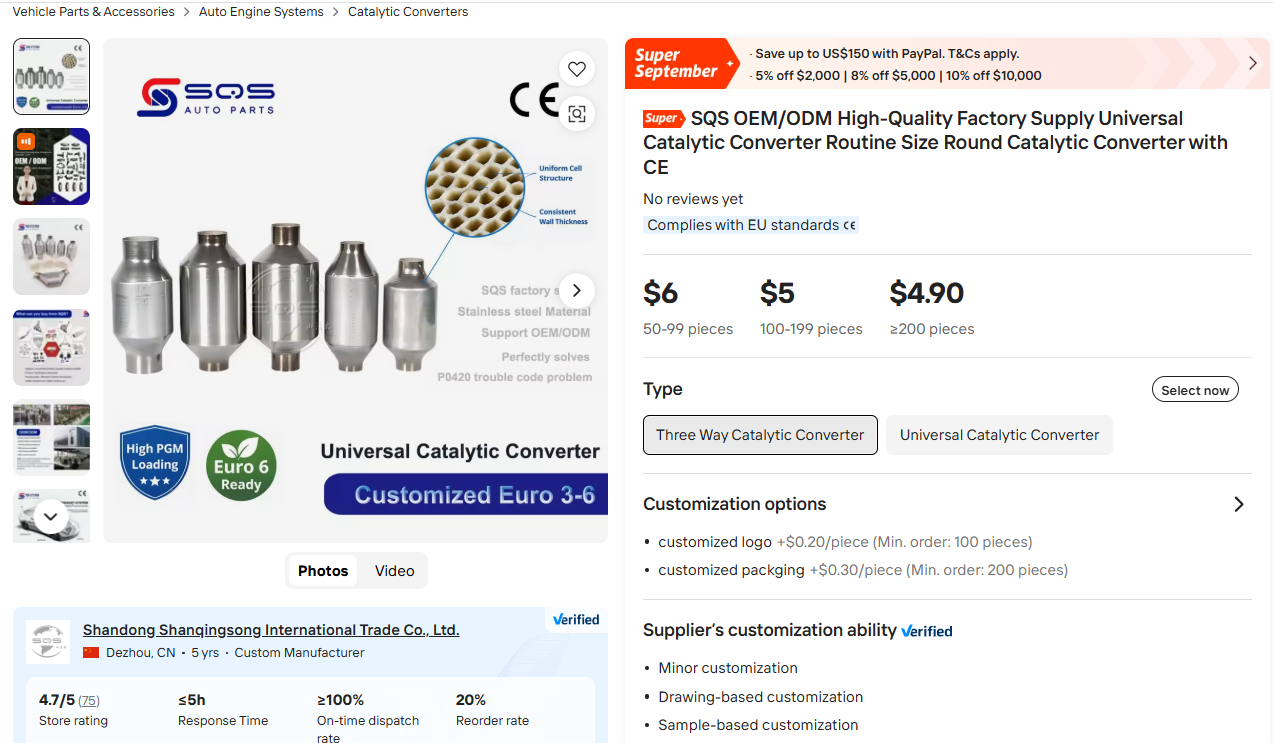
- Ceramic Honeycomb Substrate: Widely used due to its excellent heat resistance, low cost, and large surface area. It is suitable for most passenger cars and standard operating conditions .
- Metal Substrate: Made of stainless steel or Fe-Cr-Al alloy, it offers superior thermal conductivity and anti-thermal shock performance. It is ideal for motorcycles, off-road vehicles, and engines operating in harsh environments .
In terms of catalyst materials, high-quality TWCs use a composite catalyst composed of precious metals (platinum, palladium, rhodium) and rare earth elements. Be wary of low-cost products with insufficient precious metal content, as they will have poor catalytic efficiency and short service lives. Some Chinese manufacturers use rare earth resources and nanotechnology to develop high-performance active coatings, which balance cost and performance .
4. Ensure Vehicle Compatibility
TWCs are not one-size-fits-all. Choosing a product that matches your vehicle’s model, engine type, and exhaust system specifications is essential to avoid installation issues and performance loss. Key points to confirm:
- Model-Specific Fit: Provide the supplier with detailed vehicle information (make, model, year, engine displacement) to ensure the TWC’s size, interface, and mounting points match the original equipment.
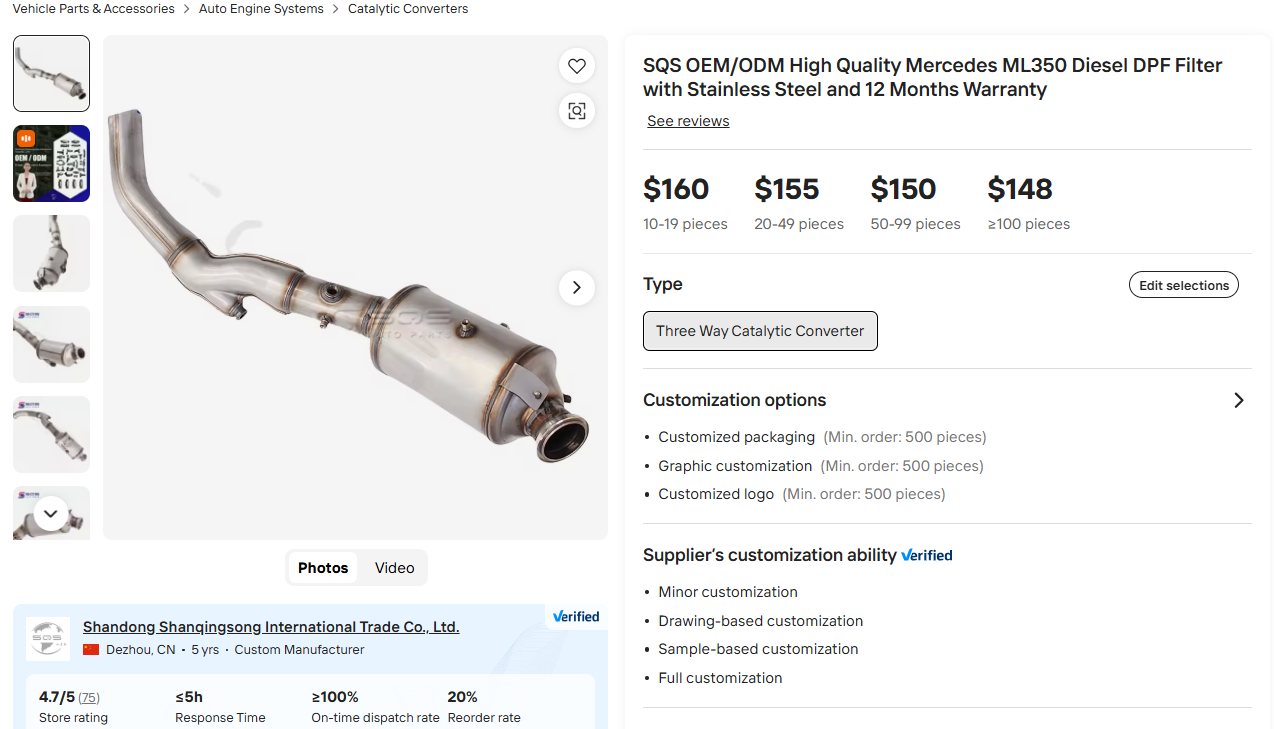
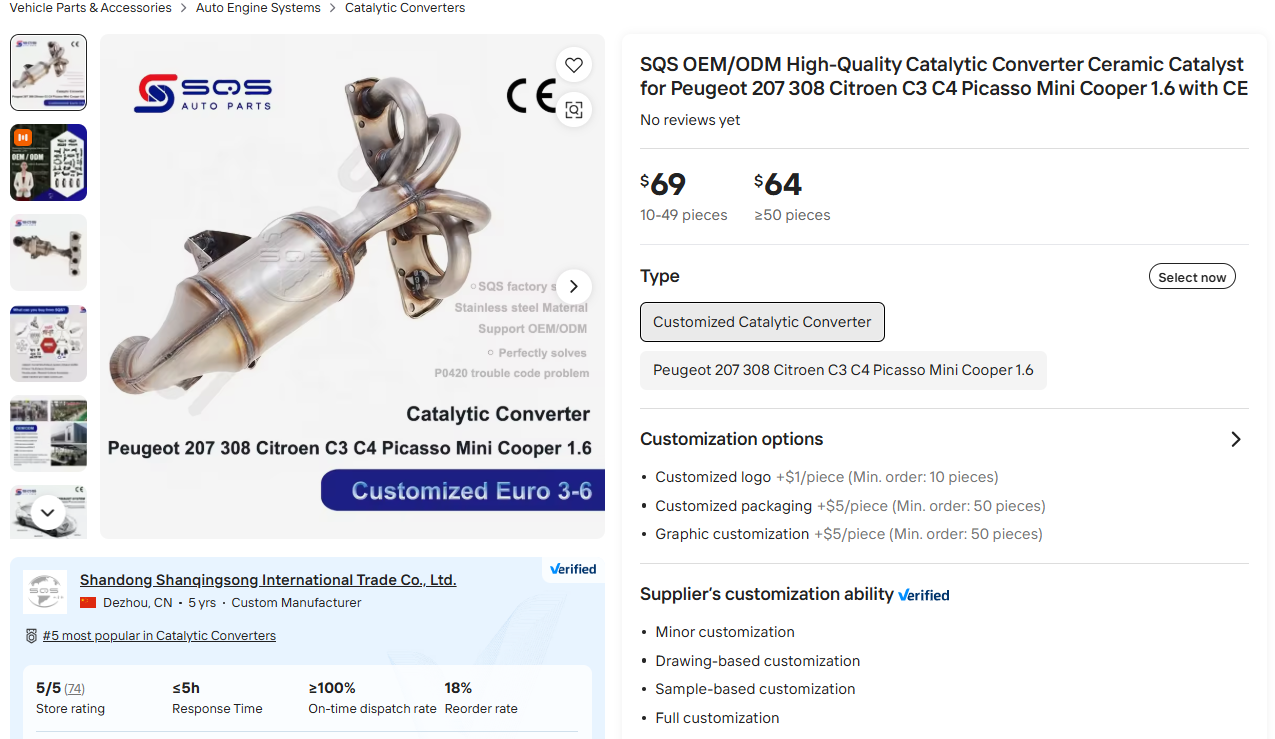
- Universal vs. OE-Specific: Universal TWCs offer flexibility but may require modifications during installation. OE-specific TWCs are designed for specific vehicle models, ensuring perfect fit and optimal performance. For bulk purchases, prioritize suppliers that offer customized services to meet your specific application needs .
5. Evaluate Supplier Strength and After-Sales Service
In the global TWC market, supplier selection is as important as product quality. Here’s how to assess a supplier’s reliability:
- Manufacturing Experience and Brand Reputation: Choose suppliers with a proven track record. Well-known brands such as Walker, Faurecia, Cummins, and Weifu have established strict quality control systems and global after-sales networks . Chinese manufacturers like Taizhou Sanyuan have successfully entered international markets by obtaining EPA certification and cooperating with major automakers .
- Sample Testing Capability: Before bulk ordering, request samples and entrust third-party institutions (e.g., SGS) to test key indicators such as catalytic efficiency and durability .
- After-Sales Guarantee: Clarify the warranty period (typically 12-24 months for high-quality products) and after-sales policies. Reliable suppliers offer technical support for installation and troubleshooting, and compensate for quality-related issues .
- Logistics and Payment Terms: For overseas buyers, confirm the supplier’s experience in international logistics and ability to handle customs clearance documents. Discuss flexible payment terms to mitigate risks such as delayed delivery or quality discrepancies .
Conclusion: Balance Quality, Compliance, and Cost
Selecting a three-way catalytic converter requires a balance between compliance, performance, compatibility, and cost. Avoid prioritizing low prices at the expense of quality, as inferior products may lead to costly rework, regulatory penalties, and damage to your business reputation. By focusing on local certification standards, core performance indicators, product compatibility, and supplier reliability, you can navigate the global market with confidence and select a TWC that meets your long-term needs.
If you need help identifying reliable suppliers or customizing TWC solutions for your target market, feel free to contact our professional team for personalized support.

 English
  Russian